
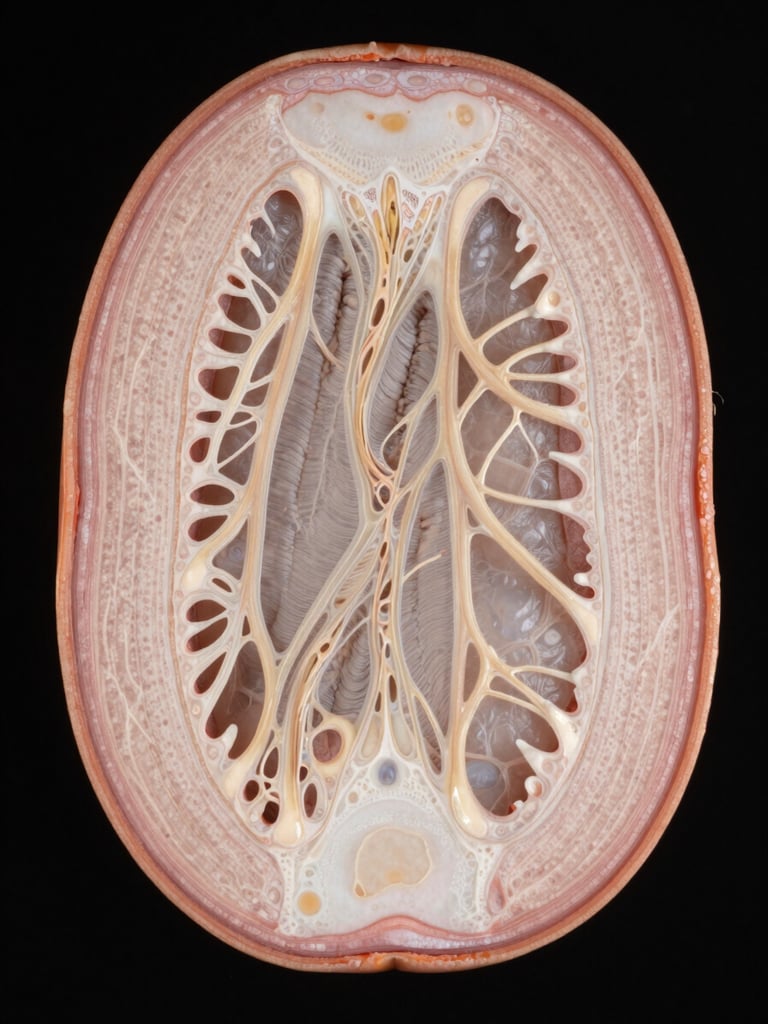
AML stromal architecture. Validated against primary patient samples.
The AML Niche Model preserves CXCL12-abundant reticular cells and the endosteal layer — the same stromal compartment that shelters blasts from therapeutic pressure in vivo.
Stromal microenvironment retained at every layer
Standard screening formats supported
The model incorporates CXCL12-abundant reticular cells, mesenchymal stromal cells, and a structured endosteal layer. Each lot is assembled to match the spatial organization documented in primary AML marrow biopsies.
96-well plate format for compound dose-response screening. Compatible with flow cytometric readouts for blast viability and phenotypic profiling. Validated with automated liquid handling.
Lot release criteria include stromal cell viability, niche factor secretion profiles, and blast engraftment efficiency — confirmed before dispatch.
Every lot profiled against primary patient data
Blast Percentage
Cytogenetic Profile
Surface Marker Expression
Blast cellularity confirmed by morphology and CD34/CD117 co-expression. Lot certificate documents percentage with acceptable range defined by primary sample cohort.
Karyotype and key driver mutations annotated per lot. Available subtypes include FLT3-ITD, NPM1, and t(8;21) backgrounds for mechanistically relevant compound comparisons.
CD33, CD123, and CD47 expression quantified by flow cytometry on every lot. Data supplied with each shipment for direct cross-study comparisons.
Ready to run compounds against validated AML biology?
Contact our team to discuss lot selection, cytogenetic subtype availability, and quantity requirements for your screening program.